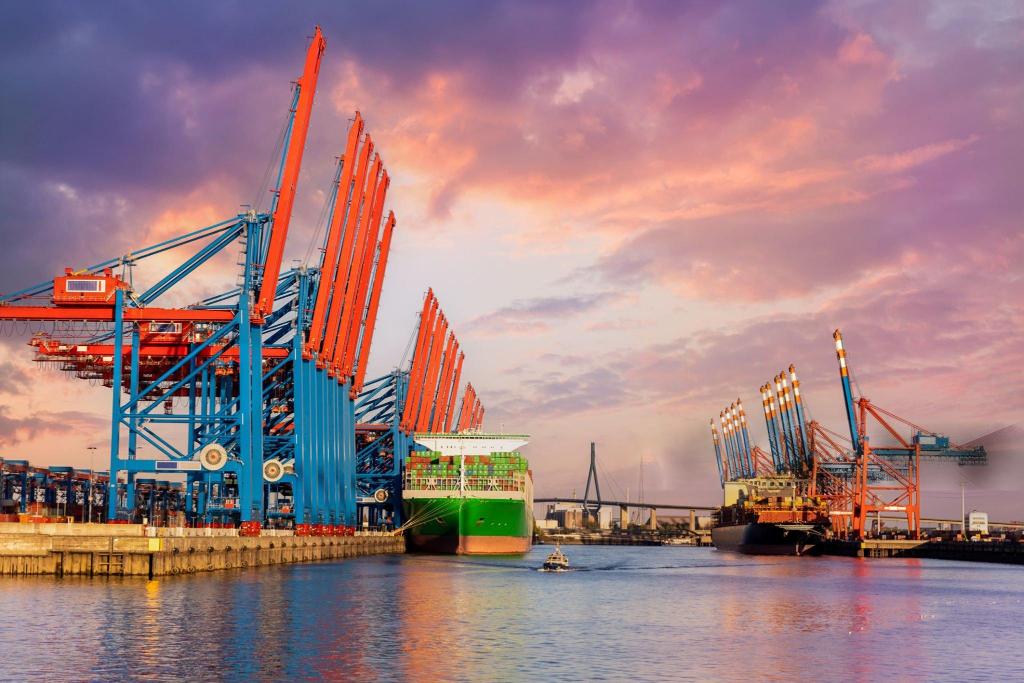
Shipping is more than just moving cargo across oceans, it is a business built on efficiency, strategy, and profitability. Behind every successful voyage lies a crucial function known as chartering and commercial management. While technical management ensures that vessels are safe and operational, chartering and commercial services focus on making those ships financially viable.
At Barrow & Trent Shipping Co., our mission is to help shipowners, charterers, and cargo interests achieve maximum returns by connecting the right ship with the right cargo under the best possible terms.
1. What is Chartering in Shipping?
Chartering refers to the process of hiring out a vessel to transport goods or, in some cases, hiring a vessel for one’s cargo. It is essentially the backbone of commercial shipping, the point where ships generate revenue.
There are three main types of charter agreements:
a) Voyage Charter
A ship is hired for a single voyage between two ports.
The shipowner covers fuel, crew, and port expenses.
Example: Transporting iron ore from Brazil to China.
b) Time Charter
The vessel is hired for a specific period (months or years).
Charterer pays a daily hire rate and covers fuel and port charges.
Example: A shipping company hiring a tanker for 2 years to move crude oil.
c) Bareboat Charter (Demise Charter)
The charterer takes full control of the vessel, including crewing and operations.
Often used as a financing method or for long-term operations.
2. Commercial Services: Beyond Just Chartering
While chartering secures business, commercial management ensures that voyages are profitable and contracts are honored.
Commercial services typically include:
Freight Negotiations: Securing the best possible rates for shipowners or charterers.
Contract Management: Drafting and reviewing charter parties to safeguard against risks.
Voyage Planning & Optimization: Choosing the most efficient routes to save fuel and time.
Laytime & Demurrage Calculations: Ensuring that cargo operations are completed on schedule and compensations are handled fairly.
Market Analysis: Monitoring freight rates, global demand, and vessel supply trends.
In simple terms, commercial management is about turning ship operations into profit.
3. Why Chartering & Commercial Services Matter
For shipowners, chartering is the lifeline of revenue. Without it, ships would remain idle, bleeding money on maintenance and crew wages. For charterers, it is about securing reliable transportation at competitive rates.
Here’s why these services are critical:
a) Revenue Maximization
By securing the right charter at the right time, owners can optimize vessel utilization and avoid costly idle periods.
b) Risk Mitigation
Shipping contracts are complex, with clauses on laytime, demurrage, off-hire, and force majeure. Professional commercial management minimizes financial disputes.
c) Market Advantage
The freight market is volatile, rates fluctuate daily. With expert negotiators and market analysts, shipowners can position themselves to capitalize on favorable market movements.
d) Strategic Partnerships
Strong commercial services foster long-term relationships with cargo owners, traders, and brokers, ensuring repeat business and stability.
4. The Role of Market Intelligence in Chartering
Chartering decisions are not random, they are data-driven. A slight change in oil prices, global trade flows, or port congestion can drastically impact freight rates.
Commercial managers track:
Baltic Dry Index (BDI): A daily indicator of bulk shipping rates.
Oil Price Movements: Influencing tanker demand.
Global Trade Trends: For example, increasing demand for LNG in Asia.
Port Restrictions & Geopolitics: Sanctions, wars, and trade restrictions often reshape shipping routes.
By analyzing these factors, commercial teams can advise shipowners when to fix ships on spot charters versus long-term charters.
5. Modern Trends in Chartering & Commercial Shipping
The shipping industry is evolving rapidly, and chartering practices are changing with it.
a) Digital Chartering Platforms
Just like real estate has moved online, chartering is increasingly facilitated through digital marketplaces that connect owners and charterers directly.
b) Green Chartering
Cargo owners now prefer eco-friendly vessels with lower emissions. Shipowners with fuel-efficient ships can command premium charter rates.
c) Flexible Contracts
Instead of rigid charter terms, many contracts now include profit-sharing clauses, bunker adjustment factors, and carbon emission clauses.
d) Risk-Sharing Models
To manage freight volatility, owners and charterers often agree on contracts that split risks and rewards.
6. How Barrow & Trent Shipping Co. Delivers Value
At Barrow & Trent Shipping Co., we provide end-to-end chartering and commercial services tailored to both shipowners and charterers.
Our expertise includes:
Strong Broker Network: Access to global cargo interests and reliable counterparties.
Negotiation Excellence: Securing competitive freight rates and favorable terms.
Contract Management: Drafting watertight agreements that minimize legal risks.
Voyage Profitability Monitoring: Ensuring every voyage contributes positively to the bottom line.
Market Insights: Providing real-time updates on freight trends and opportunities.
Our goal is to ensure that every ship we manage is not just moving cargo, but moving profitably.
Conclusion
Chartering and commercial services are the financial engine of shipping. They transform vessels from floating assets into revenue-generating businesses. By securing the right contracts, optimizing voyages, and managing risks, shipowners can ensure long-term profitability in a volatile market.
At Barrow & Trent Shipping Co., we combine global expertise, strong networks, and strategic foresight to deliver unmatched value in chartering and commercial management.
Whether you are a shipowner looking to maximize earnings or a charterer seeking reliable tonnage, we are ready to be your trusted partner at sea.
